

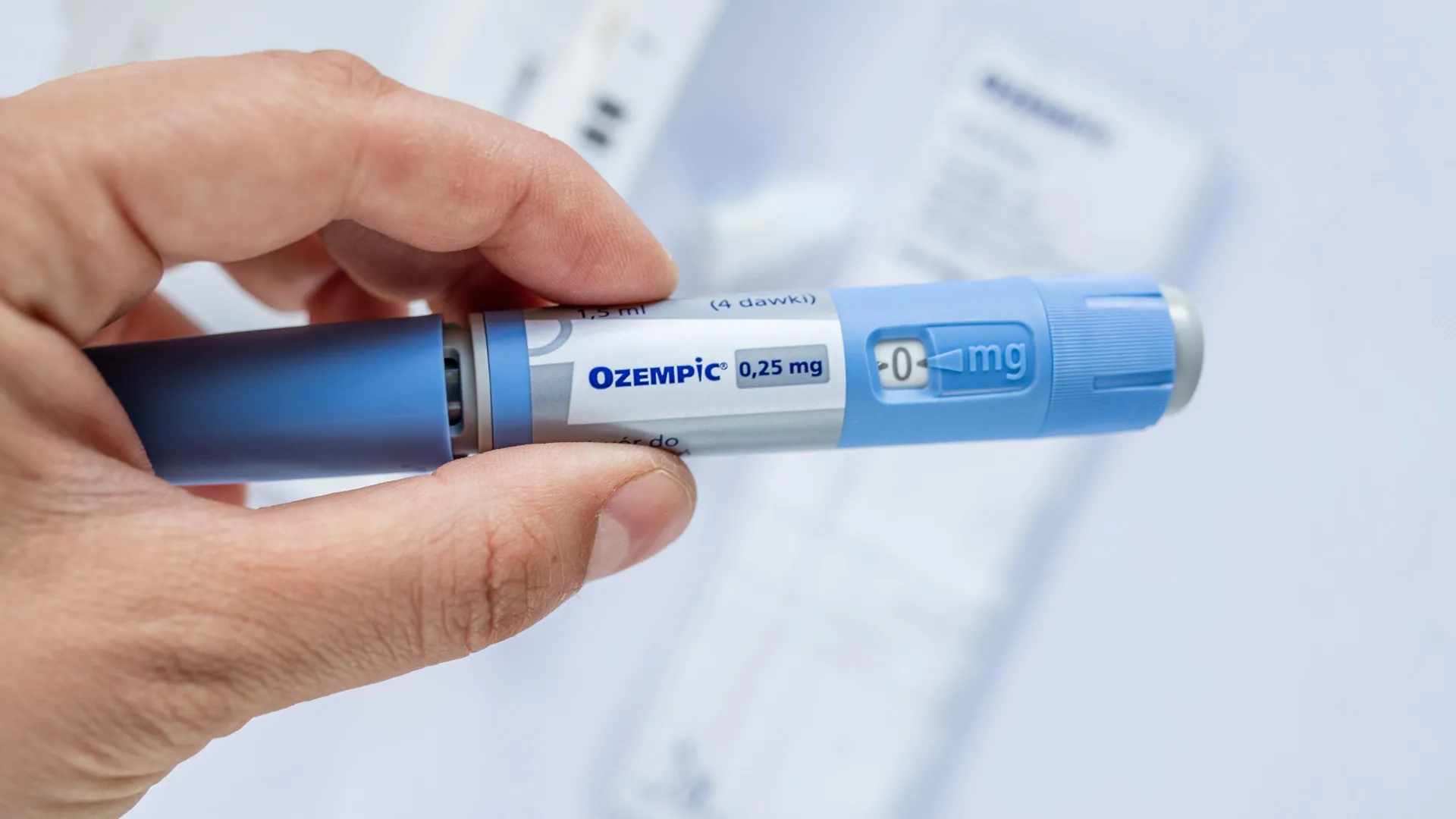
GLP-1 medications are dramatically altering the landscape of weight management across the United States, though they come accompanied by notable adverse reactions.
A recent comprehensive study conducted by the RAND Corporation reveals that approximately 12 percent of Americans have experimented with GLP-1 drugs such as Ozempic for shedding excess pounds. This figure translates to nearly one in eight individuals nationwide. The research highlights particularly elevated adoption rates among women between the ages of 50 and 64, while usage patterns among men show increases in older demographics. Although these drugs prove effective for many, common side effects including nausea and diarrhea pose significant challenges, and a vast majority of respondents expressed no intention of pursuing these treatments in the future.
Conducted between April and May 2025, the survey drew from a nationally representative group of 8,793 participants. The findings indicate that 11.8 percent of respondents had already utilized GLP-1 agonists specifically aimed at weight reduction. An additional 14 percent voiced interest in trying these medications down the line. In stark contrast, a substantial 74 percent firmly stated they had no plans to incorporate these drugs into their routines.
For those who had taken GLP-1 drugs, the experiences were mixed due to prevalent side effects. Roughly half of the users reported dealing with nausea, marking it as the predominant complaint. About one-third encountered diarrhea, which ranks as the second most frequently mentioned issue linked to these pharmaceuticals. These gastrointestinal disturbances underscore the trade-offs involved in using such potent weight loss aids.
This RAND report stands out as the most extensive and up-to-date survey available, providing a detailed snapshot of GLP-1 drug adoption across the American population. It meticulously breaks down usage statistics by key demographics, including age and gender, offering valuable insights into who is most likely to turn to these medications.
The surge in popularity for Ozempic and comparable GLP-1 therapies can be traced back to groundbreaking clinical studies that showcased their remarkable capacity to facilitate substantial weight reduction. Since the pivotal year of 2020, prescription volumes for these drugs have skyrocketed, more than tripling in response to growing demand and heightened awareness of their benefits.
Researchers from RAND engaged members of the esteemed RAND American Life Panel, a robust probability-based survey mechanism comprising around 11,000 active participants aged 12 and above. Established by RAND back in 2006, this panel ensures responses reflect a true cross-section of the U.S. population, lending high credibility to the results.
The detailed inquiry probed not only the prevalence of GLP-1 drug usage but also users’ personal encounters with potential side effects, painting a holistic picture of real-world application.
Demographic breakdowns reveal intriguing patterns in adoption rates. Women generally outpace men in utilizing these medications, though variations exist across different age brackets. The peak usage occurs among individuals aged 50 to 64, where women in this cohort demonstrate the highest participation rates of any group studied.
Shifting to seniors aged 65 and beyond, the trend reverses somewhat, with men reporting higher usage than women. This could reflect differing health priorities, access to care, or responses to medical recommendations in later life stages.
In the 30-to-49 age range, women again dominate, being more than twice as likely as their male counterparts to have tried a GLP-1 drug. These disparities highlight how gender and life stage interplay with decisions around weight loss interventions.
Titled “New Weight Loss Drugs: GLP-1 Agonist Use and Side Effects in the United States,” the full report is accessible through official RAND channels. It was authored by Robert Bozick, Shannon Donofry, and Katherine M. Rancaño, experts in public health and survey research.
This publication kicks off a planned series of concise reports derived from ongoing surveys within the RAND American Life Panel. Each installment will spotlight key descriptive data, fostering a deeper understanding of evolving trends in health behaviors.
The RAND Education and Labor division spearheads this work, with a mission to enhance educational outcomes and broaden economic prospects for diverse populations through rigorous research and analytical expertise. Their efforts contribute meaningfully to policy discussions on public health innovations like GLP-1 drugs.
As these medications continue to gain traction, ongoing monitoring of usage patterns, efficacy, and tolerability will be crucial. The side effects, while manageable for some, deter many potential users and emphasize the need for personalized medical guidance. Future studies may explore long-term impacts, including sustainability of weight loss and broader health metrics beyond mere pounds shed.
The rapid evolution of GLP-1 therapies since their initial approvals underscores a paradigm shift in obesity treatment. From diabetes management origins, these drugs have pivoted toward widespread weight loss applications, prompting both excitement and caution among healthcare providers and patients alike.